
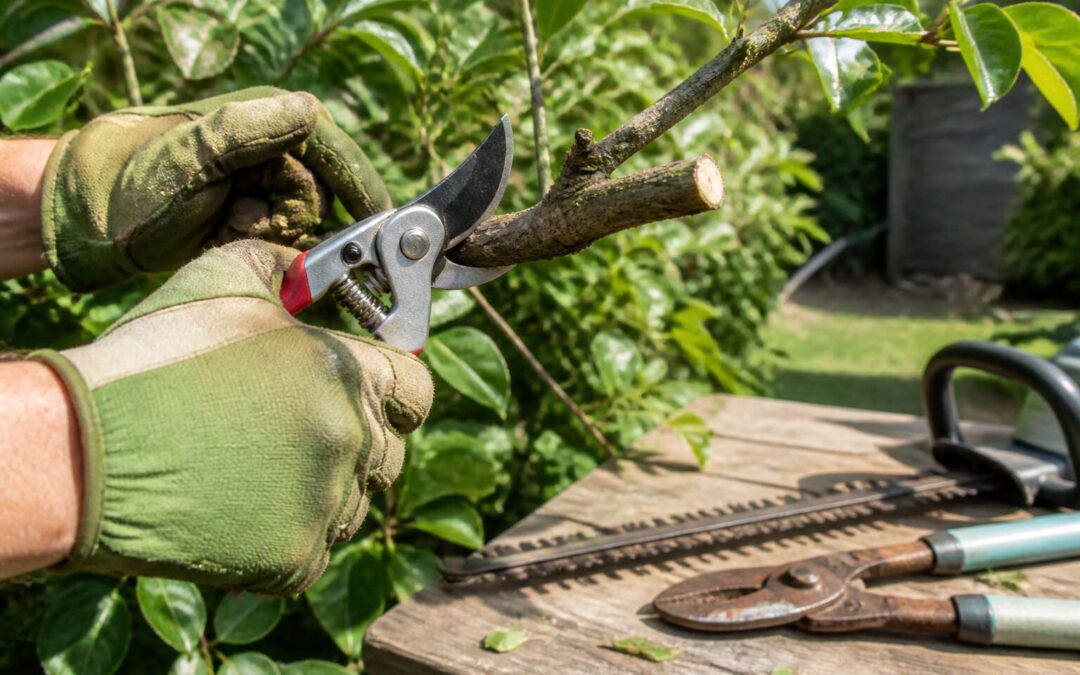
Essential Hand Tools for Bush Trimming
The difference between a crisp hedge and a ragged one often comes down to the tool in your palm. Hand tools for bush trimming are not glamorous, but they are honest. For South African gardens, where thorny acacia and dense fynbos test your patience, a sturdy pair of loppers is worth more than any powered gadget.
Your garden tools to cut bushes should include a few trusted pieces:
- Secateurs with a sharp bypass blade
- Long handled loppers for ground level work
- A pruning saw for branches thicker than your thumb
I prefer tools with wooden handles. They absorb shock and feel warm in winter. Dull edges crush stems, which invites fungi and rot. Clean cuts heal faster. Keep your tools dry and oiled. That simple habit turns a hobby into a craft.
Power Tools for Heavy-Duty Bush Maintenance
The whine of a struggling motor is a warning. That is the sound of an underpowered tool giving up. For serious bush clearing in South Africa, you need machinery with real power.
I have watched a petrol brush cutter slice through eight-centimeter trunks with ease. The secret is torque, not speed. Choose a blade that matches the density of your growth. Wire brushes for light tangles. Steel blades for hardened wood.
- A 45cc engine handles most residential thickets.
- A harness transfers weight from your arms to your shoulders.
- A dual-line head saves time on soft shrubs.
These are the garden tools to cut bushes that outperform ordinary pruners. They demand respect. They also demand ear protection, because the roar is relentless.
Specialty and Manual Tools for Precise Cuts
There is joy in making a clean cut. For garden tools to cut bushes, precision matters as much as power. A well-placed snip shapes a shrub without damaging the surrounding growth. That’s where specialty tools excel.
In my experience, manual tools offer direct feedback. You feel the resistance of the branch, and you adjust your angle accordingly. For thick, woody stems, loppers provide the leverage you need. Pruning saws handle the stubborn bits that no blade can shear through.
- Bypass secateurs for living, green stems
- Anvil loppers for dead wood and dense thickets
- Folding pruning saw for tight spaces
These garden tools to cut bushes let you work with intention, not with brute force. You’ll find that a steady hand and a sharp blade often outperform any motorised option.
Tool Maintenance and Safety Considerations
Every serious gardener knows the weight of a well-kept tool in hand. The garden tools to cut bushes that survive the harshest Highveld summers share one trait: consistent care. Blades dull quietly, then they tear instead of cut. That tearing stresses the plant and your wrist.
Before each session, inspect handles for splinters or cracks. A loose head on a lopper is a risk that shows up without warning. Keep a sharpening stone nearby and use it often.
Safety matters too. Thorns and hidden branches have a way of finding skin.
1. Wear thick leather gloves, not cotton.
2. Clear the work area of loose stones first.
3. Never cut above shoulder height.
Water and rust are the real enemies here. After use, wipe blades with an oily rag and store tools off the ground. This simple ritual extends the life of your equipment and keeps your hands safe.
How to Choose the Right Tool Based on Bush Type
The thorny tangle of a wild rose demands a different hand than the soft bulk of a hydrangea. In the South African garden, where drought-hardy shrubs turn brittle and aggressive, choosing the right garden tools to cut bushes is a matter of strategy, not guesswork.
For soft, flowering shrubs, a sharp bypass pruner makes a clean slice. For old, woody growth, loppers with ratcheting gears deliver the necessary force. The choices break down simply:
- Hedge shears suit young, tender hedge lines.
- A pruning saw handles thick, dead branches.
- Long-handled loppers reach deep into thorny interiors.
Match the tool to the plant’s density. A wrong choice crushes the stem, leaving wounds that invite pests. The right garden tools to cut bushes respect the plant’s nature, making the work feel almost ritualistic.