
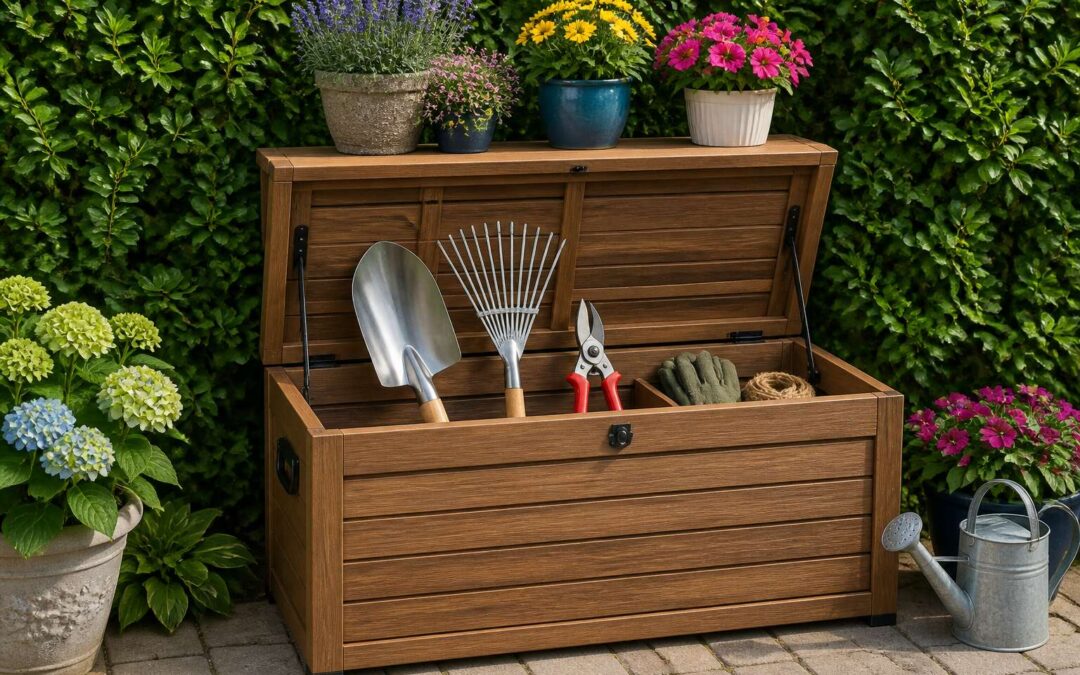
Evaluating Your Outdoor Storage Needs
Assessing Tool Collection Volume
Most gardeners own more tools than they realise. A simple count often surprises. Walking through your shed with a notebook changes your perspective. This assessment matters because the right garden tools storage box depends entirely on volume. A small container cannot hold ten long-handled rakes. A massive chest will waste valuable floor space in a compact Johannesburg yard.
- Long-handled tools such as spades and forks
- Hand tools including trowels and secateurs
- Power equipment like trimmers and drills
- Consumables such as gloves, twine, and fertiliser
This grouping reveals the true shape of your collection. Bulky tools need floor space. Hand tools only need drawers. Power tools need protection from moisture. Measure your available storage area as well. With these two numbers, the tool volume and the floor width, choosing a garden tools storage box becomes a simple sizing exercise.
Available Space and Placement
A storage box placed beneath a dripping gutter will rust in one Highveld thunderstorm season. Positioning matters as much as size. The north side of a Johannesburg home bakes in summer sun, which can warp plastic hinges and fade colours. The south side stays damp for days after rain. Trust me, placement decides how long your garden tools storage box survives!
Consider the path between your work area and the box. A garden tools storage box tucked behind the tool shed will not get used. You need it close to the vegetable beds and flower borders where the work happens. A long walk with a wheelbarrow in both hands changes the calculus.
- Proximity to a power outlet for charging batteries
- Clearance from sprinkler spray patterns
- Level ground that stays firm after heavy rain
- Line of sight from the house to deter theft
Weather Resistance Priorities
Every South African summer, UV indexes frequently soar beyond 11, a level that destroys cheap plastic in eighteen months. A garden tools storage box must therefore prioritise material resilience over aesthetics.
Rust is the second adversary! Coastal towns like Durban deliver salt-laden air that corrodes mild steel hinges within a single season. Powder-coated aluminium or marine-grade polymer handles this better.
Evaluate each potential purchase against these threats:
- UV stabilised resin for hinge sockets
- Galvanised or stainless fasteners
- Neoprene gaskets along the lid seal
The Highveld brings hail that tests impact resistance. A roof pitch above fifteen degrees sheds hail stones effectively. Look for a box with reinforced ribs under the lid. Weight matters too. A lightweight garden tools storage box blown across the lawn on a gusty August afternoon fails its primary purpose.
Materials for Durability and Aesthetics
Weatherproof Wood Options
South Africa’s blazing summers and sudden downpours punish an outdoor box. The right garden tools storage box should resist rot while aging well. I have seen cheap plywood warp within a season, but solid hardwood earns its price. Weatherproof wood options vary, so match the timber to your climate.
- Cedar: light, naturally insect resistant.
- Teak: dense, oily, nearly indestructible.
- Shorea: cost effective and similar to teak.
Pay attention to joinery before assessing the wood. A box built with dovetail joints outlasts one held together by staples. Use stainless steel hinges, not galvanised ones, because salt air corrodes them. A weathered grey finish suits coastal gardens, while a rich mahogany stain fits a bushveld setting.
Rust-Resistant Metal Construction
A garden tools storage box must endure more than the weather; it must survive the gardener’s own neglect. Metal construction offers a different philosophy from timber. Powder coated steel resists chipping and fading under the African sun. The coating acts as a barrier against moisture, which is the true enemy of any outdoor unit.
Galvanised steel provides a robust alternative, though it shows its age through a dull patina. Aluminium remains lightweight and rust proof, but it dents easily when a spade lands with force. A well designed metal box uses folded seams rather than welded corners. Folds prevent water ingress and maintain structural integrity. Check the gauge of the steel before purchase. Thinner metal flexes, which causes the lid to misalign over time.
Consider the elements that affect your specific garden tools storage box:
– Hinges: Look for stainless steel pins, not zinc plated ones.
– Corners: Reinforced caps prevent dents and spreading.
– Handles: Cast aluminium grips remain cool in direct sun.
– Feet: Raised bases allow air circulation underneath.
The social etiquette of a garden demands that storage does not offend the eye. A metal box with a hammered finish hides scratches from rakes and hoes. Smooth powder coatings require constant vigilance. Fasteners deserve scrutiny, as exposed screws rust quickly. A metal lid that opens with a gas strut demonstrates civility; one that slams shut invites chaos. Choose a neutral colour that recedes into the foliage. A glossy red statement piece only draws attention to every smudge and speck of rust.
Low-Maintenance Resin Plastic
Resin plastic offers a different relationship with the elements. It does not pretend to be wood or metal. High density polyethylene resists UV degradation, a vital feature for the South African climate. The colour runs through the material, so scratches never reveal a lighter underlayer. A garden tools storage box crafted from resin withstands watering spills and storms.
The aesthetic flexibility surprises many gardeners. Resin mimics the grain of teak yet stays cool and lightweight. The best designs incorporate moulded handles and reinforced lids.
- Ribbed sidewalls add rigidity without extra weight
- Textured base panels prevent sliding on wet paving
- Interlocking lid channels keep dust and leaves at bay
This material forgives the gardener who leaves the lid open overnight. It will not warp, crack, or discolour. I have watched resin boxes survive Cape winters intact. A low maintenance garden tools storage box serves reliably through every season.
Recycled Composite Materials
Your garden tools storage box should outlast your gardening enthusiasm, not demand a retirement fund of its own. Recycled composite materials deliver this by mashing waste plastic and wood fibre into a substance that cares little for weather reports. It does not warp. It does not rust. It does not splinter.
The material borrows timber’s texture but leaves behind timber’s tantrums. Manufacturers bake colour into the blend, so a scratch reveals the same hue underneath. Even a box stationed in full Durban sun keeps its composure.
- No annual oiling
- No rust inspection
- No splinter removal
For a gardener whose tools deserve better than a soggy corner, this composite behaves admirably.
Key Features That Improve Usability
Lid Mechanisms and Safety
A lid that resists every gentle pull turns a simple task into a struggle. A well-designed garden tools storage box uses gas struts for smooth, controlled opening, while soft-close hinges prevent sudden slams. Safety matters equally, especially with children nearby. Consider these protective elements:
- Child-resistant latches that keep curious hands out
- Rounded corners to minimize injury risks
- Anti-slip feet for stable placement on uneven ground
The lid must stay firmly open during use, preventing accidental falls. A secure locking mechanism also deters theft and weather intrusion. A storage box with these features delivers daily convenience and peace of mind.
Locking Systems for Security
Garden equipment theft spikes during summer months across South Africa, yet most homeowners rely on flimsy latches. I have seen far too many storage boxes opened with a simple screwdriver. The locking system on your garden tools storage box is what stands between your investment and an opportunistic thief. A padlock hasp that uses ordinary screws can be pried off in seconds! Choose security hardware with tamper-resistant bolts instead.
Different situations call for different locks:
- Shrouded padlocks that protect the shackle from bolt cutters
- Keyed cylinder locks for permanent installation
- Combination locks for households where keys get lost
The lock body should be zinc alloy or hardened steel. A quality locking system also keeps the lid sealed against moisture and pests. In high-risk areas, consider a hasp with concealed hinges. The extra cost is small compared to replacing stolen tools. Your garden tools storage box deserves more than a decorative clasp.
Ventilation and Mold Prevention
Nobody enjoys opening a garden tools storage box to find the acrid aroma of damp soil and rusted steel. It is a small betrayal of trust. In South Africa’s coastal regions, humidity performs its dirty work quietly, and inland, morning dew conspires with shade to create a microclimate that would impress a mushroom farmer. The result is corrosion on your spade and a fine fur of mold on your leather gloves.
That is why ventilation is the unsung hero of a well-designed unit. Look for louvered vents or mesh panels positioned near the top and bottom of the structure. This promotes a natural chimney effect, drawing moist air up and out while cooler air enters from below. Some manufacturers add a small gap beneath the lid, which proves invaluable during the Highveld thunderstorm season.
- Pre-drilled weep holes in the floor to let accidental water escape
- Raised floor runners keeping tools off any pooled condensation
- A breathable interior lining that discourages fungal growth
A garden tools storage box that cannot breathe will eventually become a compost heap with a lid. I have witnessed expensive pruning shears reduced to orange powder in under a season because the owner sealed every crack. Ventilation is not a compromise in security; it is a simple allowance for airflow that prevents the slow death of your equipment.
Portable vs Stationary Design
Portability changes how you use your garden tools storage box. A stationary unit belongs against a wall or under a carport. A portable box with pneumatic wheels suits those who move between flowerbeds, vegetable patches, and compost heaps. The weight matters! An empty resin box is manageable, but fill it with steel tools and it becomes difficult to move.
Wheel size dictates performance:
- Small castors sink into lawn soil.
- Larger wheels roll over uneven ground.
- Handles should sit at waist height for proper leverage.
Some designs offer a hybrid approach. A garden tools storage box with a flat bottom and integrated wheels lets you tilt and roll instead of lifting.
Consider your daily routine. If you garden in one location, stationary is simple. If your tools travel with you, portability wins. There is no universal right answer, only the right fit for your space and habits.
Shelving and Organization Inserts
The interior of a garden tools storage box often determines whether it becomes a useful workspace or a chaotic pit. I prefer units with adjustable shelving because handle lengths vary wildly. A rake demands vertical space, while hand trowels need shallow trays. Dividers keep smaller items from sliding beneath heavier equipment. Without them, you will dig through layers of dirt-caked tools every time you need a pruning shear. A dedicated rack for long-handled implements prevents tangling and makes retrieval predictable. Some inserts work as modular systems, letting you reconfigure based on the season. The best approach remains simple:
- Fixed shelves for bulky pots and bags of fertiliser.
- Slotted trays for nozzles, gloves, and seed packets.
- Vertical slots for spades, forks, and hoes.
These features transform storage from mere containment into an efficient retrieval system. A garden tools storage box with thoughtful inserts respects your time and your back, especially when you are rushing between morning watering and work.
Creative Placement and Organization Ideas
Bench-Style Storage for Seating and Access
Somewhere between the potted ferns and the braai area, your garden tools storage box can become more than a dumping ground. I have seen a simple wooden bench transformed into a hidden cache for secateurs and trowels. The lid lifts to reveal a deep compartment, while the exterior offers a comfortable resting spot for your afternoon tea. This dual purpose saves square meters and keeps essential tools within arm’s reach.
Consider hinging the entire seat surface for full access, but add a gas strut to prevent the heavy lid from slamming down on your fingers. The access point should face the flower bed, not the patio wall, allowing you to sit and work without standing up repeatedly. For deeper organization, install a removable tray inside the top rim to hold small items like plant tags and twine.
– A fold-down front panel creates a mini workstation for potting seedlings.
– Internal dividers keep long-handled tools separate from hand forks.
– A slot in the bench back allows for easy disposal of clipped branches.
Placement matters as much as construction. A bench positioned under a shade tree offers a cool workplace during the hot Highveld afternoons. Alternatively, mount a narrow wall-hugging unit near the kitchen door for quick access to pruning shears. The key is to sacrifice a little floor space for a massive gain in workflow efficiency, transforming a storage necessity into a comfortable command post for your gardening operations.
Wall-Mounted Solutions for Small Spaces
A wall mounted garden tools storage box suits narrow townhouse yards where floor space is scarce. I have hung one against a north facing boundary wall, just above the irrigation timer, and it survived three Highveld summers without warping. The vertical orientation keeps rakes and loppers off the ground, preventing rust from damp paving.
Inside, a pegboard back panel holds hand tools by their handles, while spring clips secure rolled hoses. Consider these wall mounted features:
- Transparent front panels for quick tool identification
- Slanted tops to deflect rain and direct runoff away from the wall
- Ventilated side gaps to reduce moisture buildup
Mounting height changes the experience. A box fixed at shoulder level allows you to grip handles without bending. In smaller yards, the best position sits near the back door rather than the far fence, so the whole work zone stays within a single step of the kitchen.
Deck and Patio Integration
On a timber deck, the garden tools storage box tucks between a planter and the balustrade. I position mine to face the braai area, so hand tools stay within reach during cooking. For patios with limited shade, set the box against a west facing wall to shield it from afternoon glare!
Try these deck and patio placements:
- Use a low profile box as a side table beside a lounger
- Slide a narrow unit between chairs for a privacy screen
- Mount a small box on the railing’s inner face for gloves and shears
On tiled patios, mount the garden tools storage box on a trolley set. Wheel it to the vegetable beds for planting, then park it under a bench when guests arrive. Match the box’s depth to your deck’s joist spacing so it sits flush and stable.
Mobile Carts for Flexibility
In the shifting light of a Highveld afternoon, I wheel my garden tools storage box across the lawn, resetting it as the sun moves past the acacia. Castors rated for rough ground make this possible. Without them, the box stays rooted near the shed.
Choose wheels suited to your soil. Pneumatic tyres glide over compacted gravel, while solid castors work better on paved paths. A locking caster keeps the box still while you kneel to plant.
- Fit a two wheeled design for narrow pathways between beds
- Add a fold down side shelf for a portable potting surface
- Use a bungee cord across the handles to carry empty pots
I moved my own garden tools storage box from the herb spiral to the compost heap to the shade of the pepper tree, all in one morning. That flexibility changes the rhythm of the work.
Maintenance and Longevity Tips
Seasonal Cleaning and Sealing
A garden tools storage box survives only with regular attention. South African summers produce intense UV radiation, while winters bring frost and persistent damp. These conditions attack unprotected surfaces. I have watched well-built units fail within two years, simply because nobody wiped them down.
Seasonal cleaning takes under an hour. Empty the box, sweep out debris, and wash the interior with mild detergent. Corners need special attention, as moisture settles there. For wooden units, run your fingers along the panels to detect splinters or soft spots that signal early rot.
- Inspect hinges and latches for rust or stiffness
- Clear drainage holes so water escapes freely
- Apply sealant to joints and edges before the rainy season
Sealing protects the vulnerable points where water infiltrates. Reapplying annually extends the box’s lifespan dramatically.
Preventing Rust and Corrosion
Rust costs the global economy over $2.5 trillion every year. Most of that damage begins inside a garden tools storage box, where damp tools rest against metal surfaces overnight. I have opened boxes in Durban and found pliers welded to their hinges by a single rainy season!
The psychological pattern is predictable. We store the tool, close the lid, and imagine the work is done. Corrosion forms in spaces we cannot see. It spreads through scratches and fingerprints, where skin oil and soil bits sit unnoticed. Wiping metal dry before storage interrupts this process.
Worth checking each season:
- Apply light machine oil to bare metal edges monthly
- Place silica gel packets in corners to absorb ambient damp
- Inspect for paint chips and touch them up immediately
A garden tools storage box may look solid while its contents decay. That mismatch between appearance and reality deserves respect.
Protecting Against Pests
A termite colony can consume a wooden garden tools storage box from the inside out, leaving only a painted shell. I have opened such boxes and found handles reduced to powder, the tools themselves still gleaming but useless. Pests enter through hairline cracks and unsealed joints. They do not announce themselves until the damage is structural.
Elevation off bare ground deters burrowing insects. Checking the base and door seals during each cleaning session catches early signs. A few observations worth remembering:
- Mud tubes along interior walls indicate termite activity.
- Chewed corners or scratched surfaces point to rodents.
A steel or resin garden tools storage box resists these attacks better than wood, provided the floor stays intact and the lid closes flush.