
Evaluating Your Gardening Needs
Assessing Garden Size and Terrain
Stand at the back door and look at what you maintain. Most gardeners overestimate their space by a third, a mistake that leads to oversized purchases. I have seen this in gardens from Pretoria to Paarl. The true test is simple: measure the length and width of every bed, then map the slopes, stones, and shaded pockets that interrupt the ground.
Terrain dictates tool choice more than size does. A flat quarter acre suits a powerful mower, but a narrow, rocky kloof demands something nimble and precise. When you evaluate your garden, note these conditions:
- Slope and drainage patterns across your beds
- Soil type, from sandy coastal ground to heavy clay
- Obstacles like trees, paving, or irrigation lines
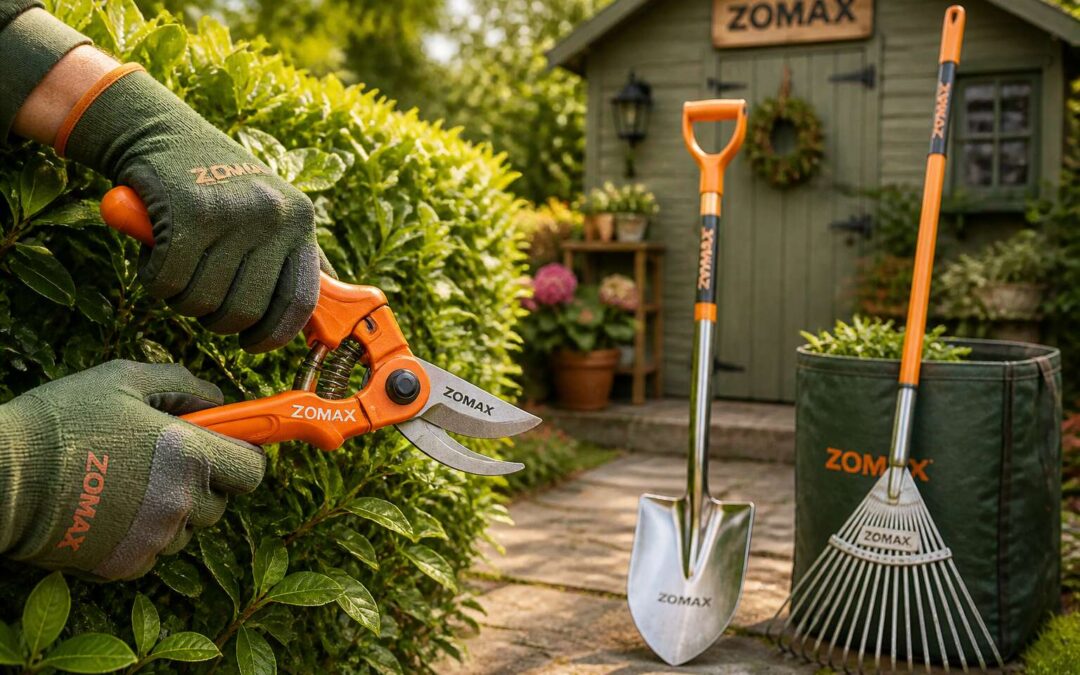
Zomax garden tools are built for these realities. Compact trimmers handle tight corners while robust blades cut through open veld, so the equipment follows the landscape instead of fighting it.
Identifying Essential Tool Categories
Most gardeners own twice the tools they use, and I have been that gardener. The real evaluation begins with routine, not romance. How often do you actually work the soil? Weekly, or only when the veld threatens to reclaim the yard? Your answers determine which tool categories deserve space in your life.
Zomax garden tools cover three essential families: precision cutting, ground cultivation, and powered maintenance. Hand pruners and loppers handle the first, while spades, forks, and hoes form the second. Powered equipment, from brush cutters to hedge trimmers, carries the third. Most gardeners need two of the three, rarely all.
Ask yourself how your hands actually move through the garden:
- Do I maintain shrubs and hedges monthly?
- Do I plant seasonal beds or keep a permanent layout?
- Do I clear grass edges or leave them wild?
Each answer narrows your list considerably.
Matching Tools to Soil Conditions
On the Highveld, the same red clay turns to brick in August and sludge by November. A spade that cuts through compost-rich loam will buckle against compacted gravel. Same motion, different result. Your soil decides which zomax garden tools will actually hold up. Different ground types demand different responses:
- Sandy coastal soils demand lighter tools that slide rather than dig
- Heavy clay needs sharp, sturdy blades with a strong fulcrum
- Rocky or stony ground calls for reinforced edges that resist impact
I have watched clay pools hold water for hours after rain, while sandy plots absorb everything by evening. The first scenario means your soil is sealed tight and needs aeration more than brute force. The second means you face a different problem entirely. Zomax garden tools offer enough range to match these conditions, but only if you choose with the soil in mind, not the shelf display.
Key Features of Modern Garden Implements
Ergonomic Handle Designs
The human hand was designed for creation, yet the average gardener in South Africa spends years battling the unforgiving thud of a poorly balanced tool. Our bodies last longer than cheap equipment, but only if we forge a better covenant with the work. This is where the silent revolution in handle design becomes vital. Ergonomic innovations are shifting the fulcrum of effort back to the user, reducing the lateral torque that wrecks wrists and elbows.
Modern ergonomics focus on neutral postures, not just padded grips. A well designed handle reduces the dynamic strain of swinging a tool. Consider the mechanics involved:
1. Splayed handles for digging forks that encourage a straight wrist line.
2. Rotated axe shafts that align with the natural swing plane of your hips.
3. Cushioned ferrules that absorb the shock of hitting bedrock or clay.
The real magic lies in the transfer of motion. Tools with these design parameters feel lighter, not because the material is feathered, but because the load is distributed across the kinetic chain of the body. When you use zomax garden tools, you will notice the difference in the forearm. It is the difference between a jarring stop and a fluid extension of your own reach. The grip texture is micro-engineered for dry Highveld dust, offering traction that feels almost anatomical.
Durable Blade Materials
The blade is where a tool earns its keep. Modern implements use boron steel or high carbon steel, materials that hold an edge through rocky Free State soil without bending. Stainless steel resists the rust that humid coastal gardens invite. Heat treatment matters more than the alloy name alone. A properly hardened blade springs back instead of snapping.
Consider what separates a reliable spade from a frustration:
- A hardness rating that balances edge retention with toughness
- A blade that tapers thin enough to slice roots yet thick enough at the collar to bear weight
- Coatings that shed clay rather than accumulate it
Zomax garden tools incorporate these material choices across their range. The steel composition and thermal treatment determine whether a tool survives its first decade or fails in its first season. Zomax garden tools stake their reputation on this distinction. Buyers should read the gauge numbers printed on the steel.
Lightweight Yet Sturdy Construction
Nobody wants a spade that weighs too much. But the opposite problem, a tool that flexes under pressure, is worse. The real achievement in modern garden implements is keeping both problems away at once. Zomax garden tools use hollow-core shafts and precision-forged heads to strip away useless weight while retaining strength where it counts.
Key construction features:
- Hollow-core shafts that cut pounds from the total weight
- Reinforced collars where the head meets the handle, the most common breakage point
- Precision-forged heads that add material only at high-stress zones
I have handled tools that looked identical and performed completely differently. The difference is always in the forging. A sturdy implement flexes under extreme load and springs back. Zomax garden tools deliver that resilience. The lightness is a quality of design, not a reduction in capability.
Weather Resistant Finishes
South African weather treats garden tools with the same disregard it shows garden hats. A morning of Highveld sun, an afternoon of summer thunder, and a coastal salt breeze for good measure. A finish that survives all three is the difference between a tool that lasts decades and one that flakes away within a season.
Zomax garden tools apply powder coated surfaces that resist chipping, and the underlying metal receives a phosphate treatment that stops corrosion before it starts. The process matters as much as the material. A cheap paint job hides rust rather than preventing it.
Consider what a proper finish must endure:
- UV radiation that fades and cracks ordinary coatings
- Moisture trapped against the blade after an afternoon’s work
- Salt air near the coast that attacks exposed metal
The finish on zomax garden tools remains intact through all of it. The tool needs no coddling, which is more than can be said for the gardener.
Proper Usage Techniques for Every Season
Spring Planting Preparation
The true rhythm of a garden is not metronomic, but seasonal. As the frost of the Highveld surrenders to the first tentative warmth of September, the soil begins to breathe. This is the genesis of the planting cycle, a period where preparation dictates the entirety of the coming harvest. Your zomax garden tools become extensions of your intent, moving through the earth with a precision that promises abundance. The key is to listen to the land, not to fight it, ensuring your actions align with the subtle shifts in moisture and temperature.
Before a single seed meets the bed, the ground must be coaxed open. We begin with aeration, a process that introduces life-giving oxygen to the root zone. Use a spading fork to gently lift compacted layers without turning the soil completely. This preserves the delicate fungal networks below.
– Water the area deeply two days prior to working; damp soil yields to the tine, while dry soil offers resistance.
– Follow with a broadfork or a sturdy hoe to break up clods and remove the first flush of weeds.
– Finally, amend the surface with a layer of compost, allowing the earthworms to do the incorporation.
This approach respects the structure of the loam. In the winter rainfall regions of the Western Cape, the clay can be heavy and wet, while the inland soils are often sandy and quick to drain. Adjusting your technique and your tool choice to these realities is the difference between a garden that survives and one that thrives. The clean, sharp edges of your equipment make this work a meditation rather than a chore, cutting through the resistance with a satisfying finality. After the last clod is broken and the bed is raked level, you have created a canvas, ready for the promise of new life. The work is done, and the watching begins.
Summer Watering and Weeding
Summer in the Highveld demands a different discipline. The heat is relentless, and the afternoon thunderstorms bring their own chaos. Watering becomes a question of when, not how much. The zomax garden tools must deliver moisture to the root zone before the sun gains full strength. By evening, the surface may look dry, yet the roots have received what they need.
Weeding follows the weather. After a storm, the soil is loose, and weeds come away with a single tug. Let the sun bake the ground for a week, and the same weed breaks off at the stem, leaving the root to regenerate. This is where the technique matters.
- Water at the base, never from above.
- Time the weeding to follow the rain.
- Work the hoe shallow, just beneath the surface.
The zomax garden tools are built for this work, but the rhythm comes from observation.
Autumn Pruning and Cleanup
The first cool snap of autumn reveals every pruning mistake you made in spring. Leaves drop, growth slows, and the loppers come out of storage. This is the season for removing dead wood, cutting back perennials, and clearing debris before it harbors pests over winter. The zomax garden tools handle this work. Their blades stay sharp enough for clean cuts that heal before the first frost.
- Start with diseased or damaged branches; they weaken the whole plant.
- Cut back perennials to just above the crown, leaving some stems for winter interest.
- Rake leaves into a compost pile, turning them once before the rain arrives.
Timing matters. Prune on a dry day, after the morning dew lifts. Wet wood invites fungal spores. A sharp blade and a steady hand beat any power tool, and the zomax garden tools deliver that precision without the noise.
Winter Protection and Storage
Winter arrives in South Africa with shorter days and morning frost. The garden slows down, but the tools need attention before they are put away.
After the autumn cleanup, every blade should be wiped down. Soil and sap hold moisture against steel, and moisture becomes rust. I learned this the hard way with my first pruning shears.
Here is the routine I follow with zomax garden tools before winter storage:
- Wipe all metal surfaces with a dry cloth after every use.
- Apply a light coat of oil to blades and hinges to keep them moving freely.
- Tighten any loose screws or bolts on handles and mechanisms.
- Hang tools in a dry shed rather than leaving them on bare ground.
The zomax garden tools hold up well, but even the best steel needs protection. A well-stored tool starts the next season ready to work. No excuses.
Soil Aeration Methods
Soil aeration is a yearly obligation, not a single spring chore. The ground beneath South African lawns changes with every season, and the right technique follows that rhythm. With zomax garden tools, I adjust my approach based on soil moisture and temperature.
In winter, after the morning frost recedes, spike aeration opens narrow channels without disturbing dormant roots. Come summer, heat bakes the surface into a hard layer, so core aeration, which pulls out small plugs of soil, relieves that pressure far more effectively. Autumn brings softer ground, perfect for a second pass.
- Hollow tine aerators suit compacted clay
- Solid spikes work for sandy ground
- Damp soil accepts aeration better than saturated ground
These methods, executed properly with zomax garden tools, let water and oxygen reach the root zone while the turf recovers at its own pace.
Maintenance and Longevity Strategies
Cleaning Best Practices
In South Africa’s alternating wet and dry seasons, a single overlooked cleaning session can compromise the finest blade. I treat zomax garden tools with a dedicated ritual: remove soil, rinse with a hose, then dry immediately. This prevents sap and minerals from bonding to steel.
For stubborn residue, a wire brush works, but avoid harsh chemicals that strip protective finishes. A monthly deeper clean is wise:
- Disassemble detachable parts
- Soak metal heads in warm soapy water
- Lubricate pivots with light oil
After that, store in a ventilated shed. Consistency matters more than intensity. A few minutes per session saves hours of grinding later.
Sharpening Cutting Edges
A neglected edge reduces efficiency with every branch and root you cut. For zomax garden tools, the cutting edge requires attention long before it feels blunt. In South Africa’s abrasive soils, a blade that cuts cleanly protects both the tool and the plant. Sharpen frequently but gently.
I keep a simple routine for every edged implement:
- Secure the blade in a clamp or vice.
- Run a fine mill file along the original bevel angle.
- Finish with a honing stone to remove the burr.
- Wipe the edge with a lightly oiled cloth.
This process takes ten minutes. It extends the life of zomax garden tools by years. An edge that bites properly reduces strain on your wrists and on the tool’s joints. Check the edge after every heavy session, especially during summer growth spurts.
Rust Prevention and Treatment
Rust slowly decays every steel surface, but zomax garden tools resist it only with deliberate care. In South Africa’s coastal regions, salt-laden air accelerates oxidation. A single night of dew can leave a faint orange stain on an unguarded blade.
Prevention begins with understanding the finish. Many zomax garden tools arrive with a protective coating; once worn, the metal is exposed. I apply a thin layer of camellia oil after every cleaning. For long term storage, a heavier grease works better.
- Tools stored off concrete floors avoid moisture wicking.
- Hanging them with ventilation between handles allows air circulation.
- Scratches in the paint reveal exposed steel.
If rust appears, do not scrub blindly. A phosphoric acid gel converts the oxide; rinsing and drying immediately removes residue. Reapplying oil seals the treated spot.
Handle Repair and Replacement
Handle repair is an act of attention. A wooden handle on zomax garden tools develops hairline fractures long before it snaps. I run my palm along the shaft each season, feeling for the subtle give. Common failure points are the collar and the grip end. I check three signs: splits near the ferrule, looseness at the head joint, and a dull ring when tapped.
When a handle splits, I remove the head, drive out the old tang, and fit a new ash handle. I seat it with a wedge and waterproof glue. Replacement handles are inexpensive, but the ritual of fitting, sanding, and oiling keeps the tool balanced. A loose head is the first whisper of trouble.
Lubrication Points to Focus On
Most folks ignore lubrication until something screeches. That screech is your zomax garden tools demanding attention. Every pivot point, every spring hinge, every gear mechanism has a specific need. zomax garden tools perform best when their moving parts receive regular, targeted oiling.
I focus on a few critical spots each month. The pivot bolt on bypass pruners, the coil spring on loppers, the cam mechanism on ratchet shears. These points accumulate dust and plant sap.
- Pivot bolts on pruners and shears
- Spring hinges on loppers and hedge shears
- Gear teeth on ratchet mechanisms
- Extension pole locking collars
One drop of machine oil beats a drenching. Wipe the excess afterward. Overzealous oiling attracts grit.
Seasonal Tool Inspections
Most tool failures happen in storage, not in the soil. A loose bolt or hairline crack sits quietly for months, then breaks at the worst moment of the season. I spend twenty minutes on inspections for zomax garden tools at the start of each South African season.
The routine is simple. I check handles for splinters and fractures, especially where the head meets the shaft. I test pivot bolts, collar locks, and rivets for play. I look for bent tines and twisted shafts, signs of metal fatigue. I rotate each tool in the light to catch dents and warps.
A basic sequence guides the work:
1. Wipe the tool clean.
2. Tighten every fastener.
3. Flex the handle to check for cracks.
4. Set aside anything doubtful for repair.
That ordered check catches problems before they fail. It keeps zomax garden tools dependable through summer heat and winter damp.
Safety and Ergonomic Best Practices
Protective Gear Essentials
Gardeners often overlook the quiet violence of a snapped branch or a ricocheted stone. In South Africa, where summer sun scorches exposed skin, protective gear dictates whether your session ends in comfort or regret. When handling zomax garden tools, sturdy gloves safeguard palms from blisters, while closed-toe boots prevent stray trowels from finding your arches.
Ergonomics extends beyond handle design. Position your hips low, bend at the knees, and let your core absorb the strain. Sunglasses with UV protection shield eyes from both glare and flying debris. A wide-brimmed hat keeps the neck cool during long sessions.
- Leather gloves for heavy pruning
- Nitrile-coated gloves for wet conditions
- Breathable knee pads for ground-level labour
Take breaks before fatigue dictates them, especially when working with zomax garden tools for extended periods. Your back will thank you.
Proper Lifting and Posture
Statistics from the South African Spine Society suggest that most garden-related back injuries stem from a single careless motion. A hurried lift of a wet compost bag, a sudden twist while carrying a full watering can, a deep lunge with a spade into hard soil. The humble zomax garden tools require attention to the mechanics of your body.
Stand with feet planted, knees soft, and let the large muscles of your legs drive every movement. Keep the spine neutral, neither arched nor rounded. When working the soil with zomax garden tools, shift weight from back foot to front foot rather than bending at the waist.
- Stagger your stance when lifting for better balance
- Use a hip hinge for tasks that require forward reach
- Take micro-breaks to reset posture every twenty minutes
Your posture during a three-hour session in the Pretoria sun determines whether you return to the garden tomorrow or spend a week recovering.
Safe Storage Solutions
Safety extends beyond the moment of use. How you store zomax garden tools determines their condition and your safety when you reach for them again. A tool left on the ground becomes a tripping hazard. A rake leaning against a wall can fall and strike an ankle.
Proper storage keeps handles clear of walkways and blades out of reach of children. Wall-mounted racks and pegboards hold each implement in a visible position. Heavy items rest at waist height to avoid excessive bending or reaching. Smaller implements belong in a locked cabinet or on a high shelf.
- Long-handled tools hang with cutting edges facing the wall
- Frequently used tools sit at waist height for easy access
- Monthly storage checks catch loose heads and cracked handles
Zomax garden tools hold their edge and their alignment when stored correctly. The shed becomes a safe starting point for every working session.