
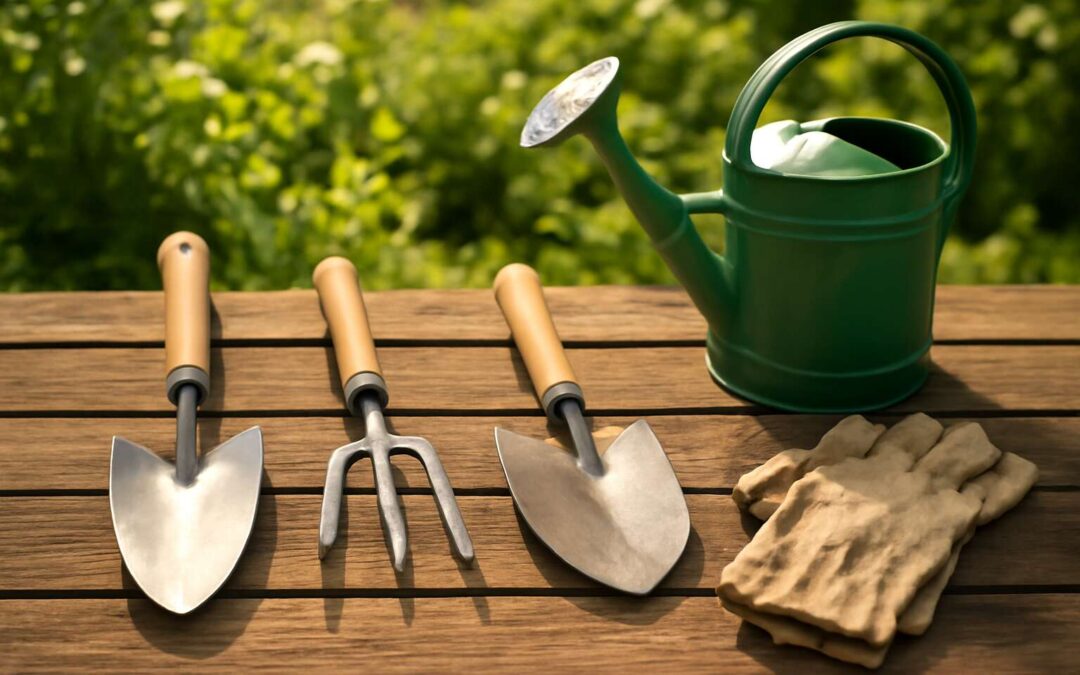
Choosing the Right Tools for Every Garden Task
Fundamental Garden Tool Sets
In South Africa, up to 60% of garden projects stall before spring because the right tools never join the arsenal.
- Spade and fork for turning soil
- Hand trowel and cultivator for bed prep
- Pruners and loppers for shrubs and stems
Choosing the right tools is less about brand and more about matching tasks to your space; I ask which garden tools truly belong in your shed, prioritising durability, comfortable grips, and rust resistance in every choice.
Tools are extensions of intention, turning quiet soil into a conversation with light and season. Fundamental garden tool sets become not merely equipment but a quiet pact with the garden, a rhythm you learn to hear and honor.
Tools for Soil Preparation and Maintenance
Across South Africa, up to 60% of garden projects stall before spring for want of the right tools. When choosing which garden tools for soil preparation and maintenance, the aim is clarity and resilience, not flash. They become partners, turning dense beds into workable earth and inviting the first whispers of growth. Durability, comfortable grips, and rust resistance guide every choice, so your shed holds gear you can rely on for the seasons ahead.
Consider a few core aids that support soil health:
- Soil probe or moisture meter to monitor moisture and structure
- Broadfork for aeration without heavy turning
- Dethatcher or hand rake for crumbly, level beds
Maintenance matters as much as selection: tools endure when cared for in quiet, seasonal rhythms. When you respect the soil and tools alike, the garden speaks in a patient, seasonal language, and every task feels like a small, purposeful gesture toward spring.
Pruning and Shaping Tools
Across South Africa, half of pruning jobs stall mid-season when the tools are blunt or ill-suited. If you’re wondering which garden tools to rely on for pruning and shaping, the answer rests in balance, comfort, and durability. They become steady partners, guiding branches along quiet lines and inviting the first whispers of growth after winter.
- Secateurs (bypass pruners) for clean, precise cuts
- Long-reach loppers for higher branches
- Pruning saw for thicker stems
- Hedge shears for neat, straight outlines
The question of which garden tools fit your hand persists. With hedges, fruit trees, and ornamentals, the grip, weight, and rust resistance of each tool tell the garden’s story. They sit in your shed with quiet confidence, ready to shape a living canvas as the seasons turn.
Watering and Irrigation Tools
Across South Africa’s sun-scorched gardens, nearly a third of every spray never reaches thirsty roots, evaporating in the heat before the soil can drink it. That quiet statistic steers the hunt for tools that fill the garden with life rather than waste.
For choosing which garden tools for watering and irrigation, balance, durability, and ease of use matter more than flash. Seek gear that resists mineral buildup and performs reliably through Cape summers and thirsty inland days.
Key players include:
- hose with adjustable spray nozzle
- drip irrigation kit and tubing
- sprinkler with radius control
- moisture meter to read soil thirst
- timed irrigation controller or smart valve
In the hands of the gardener, these tools become characters in a living canvas, shaping the story of a resilient, thriving garden under South Africa’s skies.
Seasonal Tools and Storage
A third of every spray evaporates before the soil drinks it—a quiet reminder that the right tools change a garden’s fate. Choosing which garden tools for seasonal care means prioritizing durability, ease of use, and steadiness in South Africa’s sunlit months.
Seasonal tools and storage should follow the year’s arc. Keep frost-prone items tucked away, bring out hand pruners and trowels as beds wake in spring, and create a clean, dry nook for hoses and irrigation pieces to live between duties.
To decide which garden tools belong to the seasonal kit, consider these essentials:
- Wall-mounted tool rack for quick access
- Labeled, weatherproof storage bins
- Rust-resistant hand tools and gloves
- Protective covers for hoses and reels
Hand Tools vs Power Tools: What You Really Need
Essential Hand Tools for Beginners
The real power tool in any South African garden isn’t a power drill—it’s a sharp, balanced hand tool! In a poll of budding green thumbs, 63% admit they achieve neater rows and less soil abuse with hand tools than with impulse gadgets in year one. When deciding which garden tools to start with, the trick is to gain feedback from the soil, not from a battery indicator. Hand tools offer control, precision, and a lower risk of overdoing it on a delicate bed.
Essential Hand Tools for Beginners: durable, comfortable, and simple to master. Think along the lines of a sturdy trowel, a reliable pruner, and a cultivator that fits the grip. These tools teach feel for moisture, texture, and root structure—sensory data no rotary gadget can replace. Power tools have a place for larger plots and stubborn clay, but horsepower should serve the gardener, not the other way around.
When to Consider Battery-Powered Tools
Stride into the garden at dawn, where the soil murmurs in whispers of patience. When deciding which garden tools to trust, the truth lies in feel: hand tools offer control and moisture-sense that no powered gadget can mimic. A South African garden poll notes 63% think neat rows come easier with hand tools in year one.
Power tools have a place for larger plots and stubborn clay; their speed should serve the gardener, not the other way around. For those moments that demand reach, leverage, and persistent grit, a battery-powered companion can cut the work down to tempo rather than strain. Consider these factors:
- Weight and balance for fatigue-free sessions
- Battery life, charging times, and tool compatibility
- Noise, vibration, and safety features
Ultimately, choosing which garden tools comes down to the soil’s rhythm and the hands guiding it.
Safety and Ergonomics for Hand Tools
South Africa’s gardens hum at dawn, and a recent poll found 63% of homeowners still trust hand tools for neat rows in year one—which garden tools help you balance speed and feel? The answer isn’t a techno sermon but a tactful approach to safety, ergonomics, and long-term comfort.
Hand tools shine with control and moisture-sense; power tools sprint past stubborn jobs, but only when the tempo serves the gardener. Safety and ergonomics aren’t optional fluff; they are the spine of a tool’s usefulness—weight, balance, vibration, and a grip that doesn’t pretend to be a show pony. I reach for what fits my grip and my rhythm first, to keep the day pleasant rather than a chiropractor’s memoir.
A few quick cues to keep both hands and hips happy:
- Weight and balance for fatigue-free sessions
- Grip comfort, vibration reduction, and safety features
- Battery life and tool compatibility
Maintaining and Extending Tool Lifespan
South Africa’s dawn-lit gardens hum with intention, and a telling stat anchors the mood: 63% of homeowners still trust hand tools for neat rows in year one. Hand tools offer tactile feedback and finesse, while power options sprint ahead when the job demands speed. The real measure isn’t tempo but lifespan; which garden tools you lean on matters for long-term comfort, not just today’s win.
- Regular upkeep and inspection preserve form and function.
- Balanced attention to edges and bearings prolongs usefulness.
- Quality storage and charging discipline support longevity.
- Robust construction helps sustain performance across seasons.
Careful balance turns a toolkit into a quiet, enduring ally in South Africa’s changing seasons, where patience outpowers gadgetry and the craft remains the true measure.
Garden Tool Maintenance and Longevity
Cleaning, Sharpening, and Storage
“Tools are the quiet engines of a thriving garden,” a veteran gardener once said. In South Africa, the true test of which garden tools is not in flashy brands but in longevity earned through mindful care. Cleanliness, sharpening, and smart storage carry a tool through many seasons.
Maintenance is philosophical as well as practical; when metal remains free of rust and handles stay solid, performance stays steady. This care isn’t flashy, but it pays with fewer replacements and more consistent harvests—an ethical choice in any busy plot!
- Cleaning and drying
- Inspection for wear and fatigue
- Storage in a dry, ventilated space
In coastal South Africa or highveld shade, environment shapes storage decisions, helping garden tools endure the climate and outlive casual neglect.
Rust Prevention and Coatings
Rust is a thief that slips through the breath of damp air, staining steel and memory with a stubborn red. A veteran gardener once said, ‘Care is the best coating,’ and that verdict still rings in the shed and in the soil.
Longevity in tools is less about bling than balance—what last lives by quiet care. This is the kind of thought that reveals which garden tools earn their seasons’ trust, the ones that weather coastal mists or highveld shade without surrender.
- Coatings and finishes that shield metal
- Rust-prevention options evaluated for durability
- Careful choices tailored to wooden or metal parts
- Finishes that ease cleaning and drying
In coastal South Africa, humidity gnaws at haste; in the Highveld, dry air invites storage with a soft breath of ventilation. The right approach makes longevity not luck but a garden’s ethical rhythm.
Seasonal Maintenance Checklist
A quiet statistic keeps clever minds awake: 62% of garden tool failures arise from seasonal neglect. When I scan a shed, the tools that endure tell a patient tale of routine care. Longevity isn’t glitter; it’s a disciplined rhythm I’ve learned to respect.
In coastal South Africa, humidity gnaws at metal; in the Highveld, dry air invites careful drying and ventilation. That climate duet shapes which garden tools weather the seasons without surrender. A thoughtful maintenance plan keeps the garden moving with quiet reliability!
- Seasonal inspection and wear assessment
- Cleaning followed by thorough drying
- Lubrication and proper storage
Knowing which garden tools benefit most from this cadence is what separates a sturdy set from a fragile one as the seasons turn.
Cost-Benefit of Tool Upgrades
Longevity in the shed isn’t luck; it’s a patient rhythm. In our coastal South African climate, humidity gnaws at metal, while the Highveld’s dry air invites thorough drying and vigilant airing. This climate duet teaches a simple truth: tools that endure do so because they’ve been looked after with quiet, steady care. A garden that trusts its tools moves with a quiet reliability, even through changeable seasons.
- Lower replacement costs over time
- Sharper performance with less effort
- Better ergonomics for long sessions
Choosing which garden tools to upgrade is a quiet conversation with the seasons. Upgrades can cut downtime, improve precision, and spare fatigue—turning whim into reliability and cost into confidence. The investment becomes more than hardware; it shapes how a gardener moves through the year in South Africa.
DIY Tool Repairs and Troubleshooting
Powerful enough to coax life from the stubborn earth, a well-kept shed outlives careless neglect. In South Africa’s varied climate, the truth stands tall: tools that stay clean and oiled endure more seasons than those left to rust. Choosing which garden tools to keep and mend isn’t whimsy; it’s a covenant with the seasons.
Longevity hinges on small rituals: a wipe after use, a drizzle of light oil on metal, and a careful airing before stowage. DIY tool repairs and troubleshooting begin with quiet observation—listen for squeaks, feel for looseness, note rust peeking through. When trouble appears, diagnose with patience: is the hinge binding, the edge dull, or a joint worn? The aim is to extend life without forcing repairs; prudence keeps cost and effort in harmony.
Treat each tool as a partner in the garden’s rhythm, and it will answer with steadiness through windy days.
Tool Selection by Garden Type and Plant Needs
Tools for Raised Beds and Containers
In South Africa’s sun-scorched courtyards, the right tool is the hinge between dream and harvest. When choosing which garden tools, let garden type and plant needs be your compass—raised beds crave ergonomic depth and sturdy shovels, containers prize light handles and precise trowels. The soil’s temper tells you how to choose.
For raised beds and containers, consider these essentials:
- Ergonomic trowel with a curved blade for clean scoops
- Lightweight hand cultivator for delicate soil work and roots
- Long-handled weeder to reach edges without kneeling
Let the rest of the repertoire align with the plants—carrots crave depth, leafy greens relish quick turnover—with these choices, work flows with grace and efficiency!
Tools for Lawn and Turf Care
South Africa’s sun-scorched courtyards demand more than a sturdy shelf of tools—they demand purpose. Choosing which garden tools becomes the hinge between dream and harvest. Let garden type and plant needs be your compass, not impulse. Lawns and turf impose a quiet creed: endurance, ease of movement, and respect for root zones. The choice of tools reflects our willingness to tend or rush.
For lawn and turf care, it is a matter of balance and grit: which garden tools fit that creed? Consider forms that promote ergonomic use and dependable construction, a practical stance that honours every blade of grass and the soil it calls home.
- Ergonomic, balanced handles for longer sessions
- Durable, rust-resistant blades designed for turf edges
Tools for Edible Gardens
South Africa’s sun-scorched courtyards reward the patient with fresh harvests, but only if edible beds are armed with purpose-built tools. A recent survey found that up to 60% of garden time is wasted chasing mismatched implements. Let garden type and plant needs be your compass when choosing which garden tools, not impulse. I see plots transform when the gear matches the soil and sun.
- Ergonomic hand trowel for shallow beds and herb rows
- Weeder or stirrup hoe for tending between crop lines
- Compact cultivator or hori-hori for roots and transplanting
For edible plots, tools that curb soil disturbance and fit tight spaces shine, guiding harvests with minimal fuss. Your garden’s identity—raised beds, containers, or in-ground rows—becomes the editor of every choice. The right gear makes the plot feel like a living, breathing kitchen garden, ready to feed imagination and table alike.
Tools for Flower Beds and Ornamental Plants
Across South Africa’s sun-drenched courtyards, the right tool set trims garden time by up to a quarter and lets blooms unfurl with less fuss. When you ask which garden tools best serve flower beds and ornamental plants, the answer becomes a compass—soil texture, sun arcs, and plant temperament guiding every decision. I watch the blooms answer when the tool fits; it’s a small miracle stitched into the morning light!
For flower beds and ornamental plants, tool selection must honor form and flourish. Here are essentials to let growth speak softly, without crowding roots:
- hand trowel with a comfortable grip
- weeder or stirrup hoe for between plant lines
- compact transplanter or hori-hori for root work
Let your garden type—bedding schemes, borders, or container sprites—be the editor of every choice. Tools will echo through the beds, shaping mood and color, as sure as morning light.