
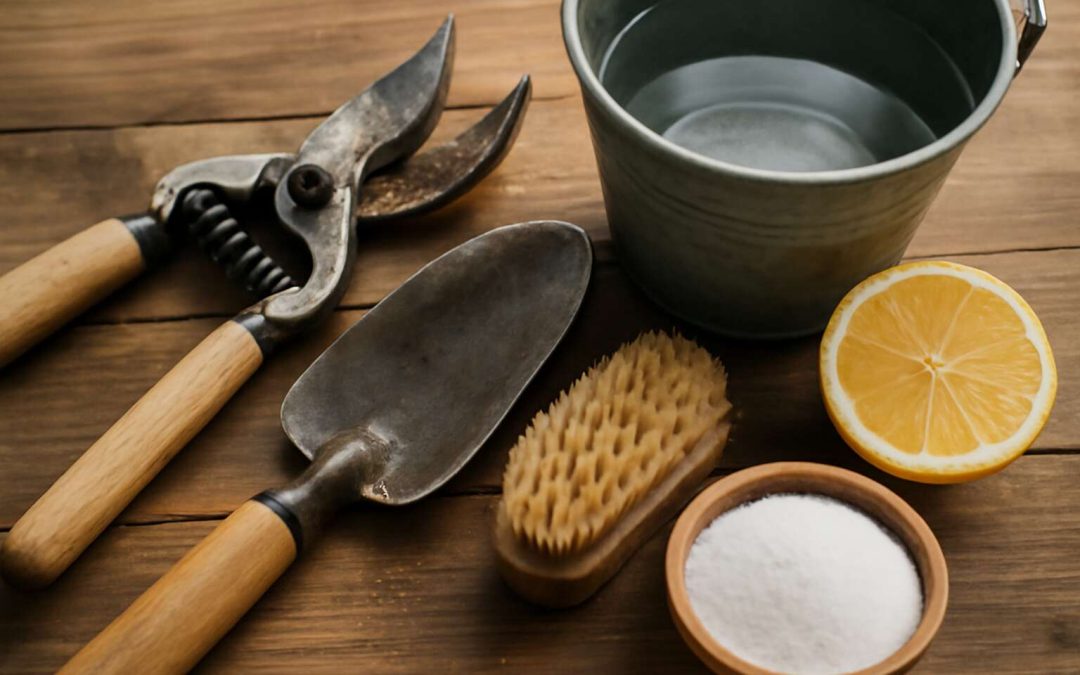
Essential Cleaning Supplies for Garden Tools
Rust Removers and Metal Wires – Choosing the right rust remover and steel wool for cleaning metal tools
Choosing the right cleaning supplies for garden tools isn’t just about maintenance; it’s about preserving their soul. When faced with rust and grime, the question of what to clean garden tools with becomes crucial. Rust removers and steel wool are often the unsung heroes in this ritual of restoration. A good rust remover can act almost like a mediator, dissolving corrosion without damaging the metal beneath, revealing the tool’s original resilience. Steel wool, on the other hand, provides a gentle yet effective abrasive that eradicates stubborn rust and dirt, restoring the tool’s gleam while respecting its integrity.
For those who seek a deeper connection with their tools, it’s worth exploring specific rust removers designed for garden equipment. These products are formulated to penetrate rust without harming the metal underneath, ensuring longevity. When coupled with steel wool—preferably fine grade—this combination becomes a powerful duo in the quest to maintain pristine garden tools. Remember, understanding what to clean garden tools with is not just about cleanliness; it’s about honoring the craftsmanship embedded in each blade, each handle, each tine. It’s a quiet act of respect in a world that often rushes past.
Disinfectants and Sanitizers – Best disinfectants to eliminate bacteria and fungi
When it comes to maintaining garden tools, disinfection is just as vital as removing rust or grime. In fact, the germiest part of your gardening arsenal isn’t the dirt—it’s the bacteria and fungi lurking on the blades and handles. This is where the best disinfectants and sanitizers come into play, transforming your cleaning routine from mere aesthetics to a health-conscious ritual. Proper disinfection helps prevent the spread of plant diseases and keeps your tools in tip-top shape for seasons to come.
Choosing effective disinfectants for garden tools involves looking for products that can eliminate bacteria, fungi, and other pesky pathogens without corroding the metal or handles. A few tried-and-true options include alcohol-based solutions, hydrogen peroxide, and commercial garden tool disinfectants specifically formulated for tough sanitation jobs. For a thorough clean, some gardeners prefer to soak their tools in a disinfectant solution—just remember to dry them thoroughly afterward to prevent rust. The goal? To keep your tools hygienic and ready for the next planting adventure while extending their lifespan.
Cleaning Solutions and Degreasers – Types of biodegradable and chemical-based cleaning agents
In the shadowed realm of garden maintenance, choosing what to clean garden tools with can feel like deciphering an ancient script. The right cleaning solutions breathe new life into battered blades and handles, transforming them from mere implements into guardians of your verdant sanctuary. Biodegradable cleaning agents whisper promises of eco-friendly purity, while chemical-based cleaners deliver swift, formidable eradication of grime and residues. Both possess their own dark allure—one gentle as a whisper, the other fierce as a storm.
For those seeking environmentally conscious options, biodegradable cleaners such as plant-based soaps or citrus-derived degreasers stand out. These agents are gentle on your tools and the earth alike, dissolving stubborn dirt without leaving toxic footprints. Conversely, chemical-based solutions like commercial degreasers and heavy-duty solvents can obliterate the most entrenched grime, but must be wielded with caution. When wielding these potent concoctions, a simple
- degumming
- degreasing
- dissolving stubborn residues
process becomes a ritual of transformation, stripping away the darkness clinging to every crevice.
Whether you prefer the whispering promise of natural substances or the relentless power of industrial formulas, understanding what to clean garden tools with is essential to preserving their haunted beauty. In the end, it’s not merely cleaning but a sacred act—one that preserves the spirit of your tools for seasons yet to come, while keeping the shadows of decay at bay.
Brushes and Scrubbing Tools – Selecting the appropriate brushes for different garden tools
In the vibrant tapestry of South African gardens, the secret to maintaining tools that seem to whisper stories of seasons past lies in choosing the right brushes and scrubbing tools. When pondering what to clean garden tools with, selecting the appropriate equipment can elevate your maintenance ritual from mundane to almost magical. A well-chosen brush not only preserves the integrity of blades and handles but also breathes new life into tools that have borne the weight of countless harvests.
For delicate pruners or fine-tined cultivators, soft-bristled brushes or microfiber cloths gently remove dirt without inflicting harm. Meanwhile, rugged wire brushes or stiff-bristled scrubbing pads excel in tackling stubborn grime on spades and hoes. To ensure every nook and cranny is addressed, an ol of specialized cleaning brushes can be your secret weapon—each designed to penetrate crevices, ensuring no speck of dirt remains. When selecting your cleaning arsenal, think of it as assembling a toolkit of enchanted instruments—each with its own purpose, each vital in the quest to keep your garden tools pristine.
Protective Gear – Gloves and safety equipment for safe cleaning
Maintaining garden tools isn’t merely about aesthetics; it’s about ensuring their longevity and optimal performance. When asking what to clean garden tools with, safety should be your foremost concern. Protective gear, such as sturdy gloves and safety glasses, transforms cleaning from a mundane chore into a secure ritual. Gloves shield your skin from sharp edges and lingering residues, while safety equipment prevents accidents, especially when working with potent cleaning agents or sharp implements.
Equipping yourself with the right protective gear allows you to handle even the toughest grime with confidence. For instance, when tackling stubborn dirt or sap, wearing durable gloves keeps your hands safe from cuts and chemical exposure. Additionally, safety glasses guard your eyes against splashes from disinfectants or degreasers. Remember, a well-prepared gardener values safety as much as efficiency — because a single slip can turn a routine cleaning into a costly mishap.
In the grand tapestry of garden maintenance, choosing the appropriate protective gear enhances your cleaning ritual, making it both effective and safe. Knowing what to clean garden tools with, paired with the right safety equipment, transforms a simple task into a moment of mindful care for your tools and yourself.
Step-by-Step Guide to Cleaning Garden Tools
Pre-Cleaning Preparation – Removing loose dirt and debris before deep cleaning
Before diving into the world of cleaning solutions and fancy brushes, it’s crucial to set the stage properly. Think of pre-cleaning as the warm-up act—removing loose dirt and debris to give your tools a fighting chance at a thorough spa treatment. Over 70% of garden tool damage stems from neglecting this simple step, leading to rust and corrosion that could have been easily thwarted. So, grab a sturdy pair of gloves and a stiff-bristled brush, because this isn’t a job for delicate fingertips.
Start by knocking off any clumps of soil, plant matter, or dried mud. A garden hose with a decent spray nozzle often works wonders, washing away stubborn grime without turning your tools into a muddy mess. For those stubborn bits, a wire brush or scrubbing pad can help lift the debris without scratching the metal. Remember, knowing what to clean garden tools with begins with eliminating the obvious dirt—once that’s out of the way, you’ll have a much easier time with the deeper cleaning process. It’s a simple step, but one that sets the foundation for tools that will last season after season.
Rust Removal Techniques – Using rust removers and abrasive materials
In the shadowy realm of garden maintenance, rust lurks like a silent predator, ready to devour your tools if left unchecked. To combat this menace, understanding what to clean garden tools with becomes paramount. Once the loose dirt has been banished, the next step is to confront the corrosion—an insidious enemy that can compromise the integrity of even the sturdiest implements.
Rust removal techniques often involve the use of potent rust removers or abrasive materials that can carve away the corrosion without damaging the metal beneath. For those seeking a more tactile approach, steel wool and wire brushes are invaluable allies, scrubbing away the tarnish while revealing the gleam of well-preserved steel. When applying rust remover, it’s wise to follow the instructions meticulously, allowing the solution to work its dark magic before rinsing thoroughly with water. This process not only restores the appearance but also prolongs the lifespan of your garden tools, ensuring they remain sharp and resilient across the seasons.
In the quest to preserve your tools’ longevity, consider this step as essential—an act of defiance against rust’s relentless advance. Knowing what to clean garden tools with, especially when battling stubborn corrosion, transforms a mundane chore into a ritual of preservation and respect for the tools that serve you in the shadows of your garden’s symphony.
Cleaning Handles and Wooden Parts – Tips for cleaning and preserving wooden and plastic handles
In the enchanted realm of garden artistry, the handles and wooden parts of your tools are the silent sentinels that bear the brunt of time’s relentless march. To preserve their strength and beauty, understanding what to clean garden tools with becomes a crucial chapter in your horticultural saga. Over time, dirt and grime seep into the porous surface of wooden handles, threatening to weaken their grip and charm.
Begin by gently scrubbing the handles with a soft brush or cloth soaked in warm, soapy water. For stubborn grime, a mixture of vinegar and water can work wonders, dissolving dirt without harsh abrasives. After cleaning, inspect for splinters or cracks, and sand rough patches smoothly—this step ensures longevity and comfort during use. To safeguard the wooden surface from the elements, apply a light coat of linseed oil or a specialized wood preservative. This nourishing touch not only restores luster but also creates a protective barrier against moisture and decay.
- For plastic handles, a mild detergent combined with a soft brush is sufficient to remove dirt and residues, ensuring your tools remain pristine and functional.
By nurturing your garden tools with these meticulous cleaning practices, you cultivate a bond of respect and longevity—transforming routine maintenance into a ritual of reverence for the tools that bring your garden to life. Knowing what to clean garden tools with, especially when tending to handles and wooden parts, elevates your craftsmanship from mere maintenance to an act of artistry, rooted in tradition and care.
Sanitizing for Plant Health – Disinfecting tools to prevent disease spread
In the quiet moments of tending to a lush South African garden, few tasks are as vital yet overlooked as sanitizing your tools. It’s a cornerstone of plant health, yet many gardeners remain unaware that improper cleaning can seed disease and weaken your precious flora. Understanding what to clean garden tools with is not merely about hygiene; it’s about safeguarding your entire ecosystem. A simple, methodical approach ensures that pathogens are eradicated, preventing the spread of diseases such as blight or fungal infections that can devastate a thriving garden.
Begin by removing all visible soil and plant residues—this pre-cleaning step sets the stage for effective disinfection. Next, immerse your tools in a disinfectant solution designed specifically for garden equipment, such as a diluted household bleach or a commercial garden disinfectant. For a thorough sanitization, focus on key contact points like blades, tines, and handles. To enhance the process, an antimicrobial spray can be applied after scrubbing, providing an extra layer of protection against lingering bacteria or fungi. When considering what to clean garden tools with, remember that the choice of disinfectant can significantly influence disease prevention.
For tools prone to rust, a rust inhibitor or a vinegar soak can serve dual purposes—cleaning and safeguarding against corrosion. After disinfection, dry your tools meticulously to prevent moisture buildup, which is a catalyst for decay. This detailed process, rooted in the principle of meticulous care, transforms routine maintenance into a ritual that elevates the longevity and effectiveness of your garden tools. In the end, knowing what to clean garden tools with is an act of respect—an homage to the life and vitality you nurture in your garden, ensuring each tool remains a trusted partner in your horticultural journey.
Drying and Lubricating Tools – Proper drying methods and lubricant application for longevity
Once your garden tools have undergone the critical sanitizing process, the next step is ensuring they remain in pristine condition for future use. Proper drying and lubricating are essential—neglecting this can invite rust and reduce their lifespan. A meticulous drying method involves wiping tools with a clean, dry cloth immediately after cleaning, then letting them air dry in a well-ventilated space. This prevents moisture from lingering, which is often the silent killer of metal components.
Applying a high-quality lubricant is the final flourish—think of it as giving your tools a protective armor. A light coating of oil on blades, tines, and hinges not only wards off rust but also ensures smooth operation. For gardeners wondering what to clean garden tools with that guarantees longevity, a rust inhibitor or general-purpose oil works wonders. Remember, well-lubricated tools are less prone to wear and tear, ready to serve season after season.
For added protection, some gardeners prefer to store their tools in a dry, sheltered environment. If tools are visibly dirty or damp, consider using an
- antimicrobial spray
before storage. This extra step fortifies against fungal growth and corrosion, transforming routine maintenance into an act of horticultural reverence. When you know what to clean garden tools with and how to maintain them, your garden becomes a living testament to care and craftsmanship—each tool a silent guardian of your thriving Eden.
Natural and DIY Cleaning Solutions
Vinegar and Lemon Juice – Using natural acids for rust removal and disinfecting
When considering what to clean garden tools with, natural acids like vinegar and lemon juice stand out as eco-friendly and highly effective solutions. Vinegar, with its acetic acid, not only dissolves rust but also acts as a natural disinfectant, eliminating bacteria lurking on your tools. Lemon juice, rich in citric acid, offers a gentle yet potent way to remove stubborn grime and tarnish while imparting a fresh scent. These DIY cleaning solutions are safe for the environment and affordable, making them perfect for gardeners who prefer sustainable practices.
To enhance their cleaning power, you can create simple mixtures such as soaking rusted tools in a vinegar solution or applying lemon juice directly to problem areas. For an added boost, consider combining these natural acids with common household items like baking soda or salt. Such combinations can tackle even the most stubborn dirt and rust, providing a thorough clean without harsh chemicals. When used correctly, vinegar and lemon juice are some of the best options for what to clean garden tools with, ensuring longevity and optimal performance of your gardening equipment.
Baking Soda Paste – Creating and applying a paste for cleaning and deodorizing
A clean garden tool is a happy garden tool. Surprisingly, a simple DIY solution can make all the difference. Baking soda paste is one of the most effective natural remedies for cleaning garden tools. It’s affordable, biodegradable, and safe for the environment. Plus, it deodorizes as it cleans! When you’re wondering what to clean garden tools with, creating a paste from baking soda and water is a smart choice.
To prepare, mix equal parts baking soda and water until you get a thick paste. Apply it directly to dirt-stained or tarnished areas on your tools. Let it sit for a few minutes, then scrub with a stiff brush or cloth. For stubborn grime, a second application may be necessary. This method not only cleans but also helps eliminate lingering odors, keeping your tools fresh and ready for your next gardening session.
Using natural solutions like baking soda paste reduces reliance on harsh chemicals, making it an eco-friendly option. It’s a simple, effective way to maintain your garden tools’ longevity and performance without compromising safety or sustainability. When considering what to clean garden tools with, this DIY paste stands out as a versatile and reliable choice.
Salt and Lemon Mixture – A natural abrasive cleaning option
When it comes to maintaining a thriving garden, knowing what to clean garden tools with can make all the difference. A simple yet effective natural solution involves a salt and lemon mixture, which serves as a gentle abrasive cleaner. This DIY combination harnesses the natural acidity of lemon and the coarse texture of salt to scrub away dirt, grime, and even rust from garden tools. It’s an affordable and eco-friendly method that doesn’t rely on harsh chemicals.
To create this natural cleaning remedy, sprinkle salt onto the surface of your tools, then squeeze fresh lemon juice over the salt. Using a scrub brush or cloth, work the mixture into the metal, paying close attention to tarnished or heavily soiled areas. The acidity of the lemon helps break down oxidation, while the salt adds a mild abrasive action. For stubborn spots, repeat the process or let the mixture sit for a few minutes before scrubbing again.
In the quest for what to clean garden tools with, this salt and lemon blend stands out as a versatile and sustainable choice. It not only restores the shine but also deodorizes, leaving your tools ready for another season of gardening. Plus, it’s a reminder that sometimes, the simplest ingredients can deliver powerful results—no need for complicated or chemical-heavy solutions.
Essential Oils – Adding antimicrobial properties and fresh scent
Natural and DIY cleaning solutions are gaining popularity among gardeners seeking sustainable and cost-effective methods. Adding essential oils to your cleaning routine not only enhances the effectiveness but also infuses your garden tools with a fresh scent. These oils possess antimicrobial properties that help combat bacteria and fungi, which can otherwise linger on tools and transfer to plants. For example, tea tree or eucalyptus oil can be diluted in water and used as a natural disinfectant, making it an ideal answer to the question of what to clean garden tools with.
Incorporating essential oils into your cleaning routine is straightforward and eco-friendly. You might consider creating a simple spray by mixing water, a few drops of essential oil, and perhaps a splash of vinegar. This mixture can be used to wipe down handles and metal surfaces, offering a deodorizing effect while also reducing microbial buildup. Because these oils are natural, they won’t harm your garden environment, aligning with sustainable gardening practices. Whether you’re tackling stubborn grime or just maintaining cleanliness, essential oils prove to be versatile allies in your toolkit of natural cleaning agents.
Special Considerations for Different Garden Tools
Sharpening and Maintaining Cutting Tools – Proper techniques for pruning shears, saws, and knives
When it comes to sharpening and maintaining cutting tools, understanding the nuances of each garden implement can make all the difference. Pruning shears, saws, and knives each demand specific techniques to ensure their longevity and performance. For instance, pruning shears benefit from a careful approach—cleaning the blades thoroughly with a disinfectant to prevent disease transmission, followed by honing with a sharpening stone. Saws, on the other hand, require a different touch; removing sap and debris with a biodegradable degreaser restores their cutting prowess. Knives used for harvesting or delicate trimming must be cleaned with a gentle abrasive, like a baking soda paste, to preserve their edge.
Knowing what to clean garden tools with is crucial for effective maintenance. It’s essential to adapt your cleaning method to the material and purpose of each tool, ensuring they perform optimally season after season. Proper cleaning not only preserves the tools but also enhances safety and efficiency during your gardening tasks. After all, a well-maintained tool is the gardener’s most trusted ally in nurturing a thriving garden every time you pick it up!
Cleaning Lawn Mowers and Power Tools – Specific tips for motorized equipment
In the intricate dance of garden maintenance, the condition of your tools can make or break your horticultural pursuits. Motorized equipment like lawn mowers and power tools demand a nuanced approach, as neglecting their specific cleaning needs can lead to costly repairs or diminished performance. The question of what to clean garden tools with becomes particularly vital when dealing with these mechanical marvels, where dirt, sap, and grime can obscure vital components and impair functionality.
For lawn mowers and power tools, a gentle yet thorough cleaning process involves removing grass clippings and mud with a biodegradable degreaser—this is essential to prevent buildup that can cause overheating or corrosion. Pay special attention to the air filters, blades, and vents, ensuring they are free from debris that could hinder airflow or cause imbalance. An effective technique involves using a soft brush and a mild cleaning solution, followed by a thorough drying to prevent rust formation. Remember, the longevity of your power tools hinges on understanding exactly what to clean garden tools with—a delicate balance of cleaning agents and care that preserves their intricate mechanisms.
Sometimes, a simple step like applying a light coat of lubricant after cleaning can extend the life of these tools, ensuring they perform seamlessly season after season. Knowing what to clean garden tools with for each type of equipment, especially for motorized devices, can mean the difference between a fleeting fix and enduring mastery of your garden’s aesthetic. After all, an investment in proper cleaning techniques reflects a commitment to nurturing both your tools and your patch of paradise with unwavering dedication.
Ergonomic and Hand Tools – Cleaning and maintaining hoes, rakes, and spades
In the shadowed corners of every garden shed, tools whisper tales of neglect—rusted blades, battered handles, and grime that clings like a dark secret. The question of what to clean garden tools with takes on a new gravity when dealing with these humble warriors of the earth. For ergonomic and hand tools—hoes, rakes, spades—their longevity hinges on meticulous care, for they are the unsung heroes of cultivation. A gentle scrub with biodegradable degreasers can banish stubborn dirt and sap, revealing their true form beneath the grime.
When tending to these tools, pay particular attention to their handles, whether wooden or plastic. A natural vinegar solution can disinfect wooden grips, while steel wool works wonders on rusted metal parts. To elevate your maintenance ritual, consider this approach:
- Remove loose dirt and debris with a stiff brush.
- Apply a biodegradable degreaser to dissolve stubborn grime.
- Use steel wool or a rust remover for corroded areas.
- Disinfect with natural acids like lemon juice or vinegar.
- Finish with a light coat of protective oil or lubricant to preserve the integrity of the metal and wooden parts.
In this dance of preservation, understanding what to clean garden tools with—be it natural acids, degreasers, or abrasive materials—can spell the difference between tools that fade into obscurity and those that endure through countless seasons. The meticulous ritual of cleaning is a dark yet rewarding art, ensuring that each spade and rake remains a faithful servant of the soil’s eternal symphony.
Hose and Watering Equipment – Cleaning spray nozzles and hoses effectively
When it comes to maintaining garden hoses and watering equipment, understanding what to clean garden tools with is crucial. Unlike sturdy spades or rakes, hoses and spray nozzles are delicate yet essential components that demand specific care to ensure they function optimally season after season. Over time, mineral deposits, algae, and dirt can clog spray nozzles, reducing water flow and spray pattern accuracy. To combat this, soaking the nozzles in a vinegar solution helps dissolve stubborn mineral buildup, restoring their spray efficiency.
For hoses, a thorough rinse with clean water is the first step. Then, inspecting for leaks and cracks ensures longevity. If blockages persist, disconnect the hose and flush it with a mixture of water and a biodegradable cleaning agent, such as a gentle detergent. For stubborn debris or mold, an occasional soak in a solution of water and lemon juice can naturally disinfect and remove residue. Remember, when cleaning these watering essentials, avoiding harsh chemicals preserves both the hose material and your garden’s health.
Incorporating a routine of inspecting spray nozzles and hoses, combined with natural cleaning solutions, guarantees efficient operation and extends the lifespan of your watering equipment. When pondering what to clean garden tools with, don’t overlook these vital components—they keep the garden thriving beneath the surface of dirt and dust! As with other garden tools, proper cleaning and maintenance keep everything in harmony, ensuring your garden remains a lush sanctuary year-round.
Tips for Preventing Future Damage and Keeping Tools in Top Condition
Proper Storage Practices – Best ways to store garden tools to prevent rust and deterioration
In the quiet symphony of tending a garden, the longevity of your tools is often dictated by the care they receive—an art as delicate as pruning a rose. Proper storage practices stand as guardians against the relentless march of rust and deterioration, ensuring your garden arsenal remains sharp and resilient season after season. When pondering what to clean garden tools with, think beyond mere aesthetics; consider the environment your tools inhabit. A dry, sheltered space, free from humidity, is the sanctuary that preserves their luster and function.
To elevate your garden maintenance, employ methods that prevent future damage. For instance, applying a light coat of oil after cleaning creates a protective barrier, shielding metal surfaces from moisture. Additionally, organizing tools in a designated rack or hooks—preferably off the ground—reduces contact with damp soil or water, curbing corrosion’s insidious advance.
Remember, the key to lush, flourishing gardens begins with the stewardship of your tools. When storing, incorporate a simple yet effective practice:
- Ensure tools are thoroughly dried after cleaning.
- Store them in a dry, ventilated space.
- Regularly inspect for signs of rust or damage.
Such measures not only extend the life of your garden implements but also ensure they serve their purpose with unwavering precision. Because, truly, what to clean garden tools with is more than a question—it’s an ode to the enduring love we nurture for our land.
Regular Maintenance Schedule – Routine cleaning and inspection tips
In the unpredictable dance of nature, the longevity of your garden tools hinges on more than just how often you use them. It’s about the meticulous care and routine maintenance that transforms a simple task into an art form. Knowing what to clean garden tools with is essential for warding off rust and deterioration, but equally critical is establishing a regular maintenance schedule. This consistency ensures that every pruning shears, spade, or rake remains in prime condition, ready to perform when needed.
Implementing a disciplined routine—such as inspecting tools for signs of wear or corrosion, and thoroughly cleaning them after each use—can prevent minor issues from escalating. For instance, a quick wipe with a natural cleaning solution like vinegar and lemon juice not only disinfects but also keeps metal surfaces pristine. For stubborn dirt or sap, a gentle scrub with steel wool or a biodegradable degreaser often works wonders, revealing what to clean garden tools with for optimal results.
- Schedule weekly inspections to identify early signs of rust or damage.
- After every gardening session, dedicate time to clean and dry your tools thoroughly.
- Apply a light coating of oil to metal parts to create a protective barrier against moisture.
Maintaining an organized storage system—using hooks or racks off the ground—complements these practices, reducing exposure to dampness and soil. Remember, a well-maintained tool not only performs better but also extends its lifespan, making your gardening efforts more rewarding and less labor-intensive. Ultimately, what to clean garden tools with is a small part of a larger, deliberate strategy to preserve your garden’s champions—those trusty implements that turn dirt into beauty, season after season.
Applying Protective Coatings – Using oil or wax to protect metal surfaces
In the vibrant tapestry of South African gardens, the true secret to maintaining tools that seem to dance with life is applying protective coatings—an art as ancient as the soil itself. A thin layer of oil or wax over metal surfaces acts as an invisible shield, warding off the relentless assault of moisture and the creeping tendrils of rust. This simple step transforms ordinary garden tools into enduring companions, eager to serve season after season.
Beyond the initial application, embracing a ritual of regular upkeep ensures these champions of your garden remain resilient. Applying natural oils, such as linseed or beeswax, creates a barrier that prevents corrosion while nourishing wooden handles. For a more enchanted touch, some gardeners swear by adding essential oils like tea tree or eucalyptus—imparting antimicrobial properties and a whisper of freshness to each tool.
To keep your tools in top condition and extend their life, consider these steps:
- Consistently wipe down tools after use with a cloth soaked in a natural cleaning solution, like vinegar and lemon juice, to remove dirt and sap.
- Apply a protective coating of oil or wax at least once a season, especially before storing tools for the winter or a long rest period.
- Store tools off the ground—on hooks or racks—to prevent exposure to dampness that accelerates deterioration.
By weaving these practices into your gardening routine, you create a symphony of preservation that keeps your tools sharp, shiny, and ready for the next burst of growth. Remember, what to clean garden tools with is more than a fleeting choice; it’s a cornerstone of a garden’s enduring beauty and the gardener’s craft.